AIYIMA T3 Pro Review: Is This MM/MC Phono Preamp Worth It?
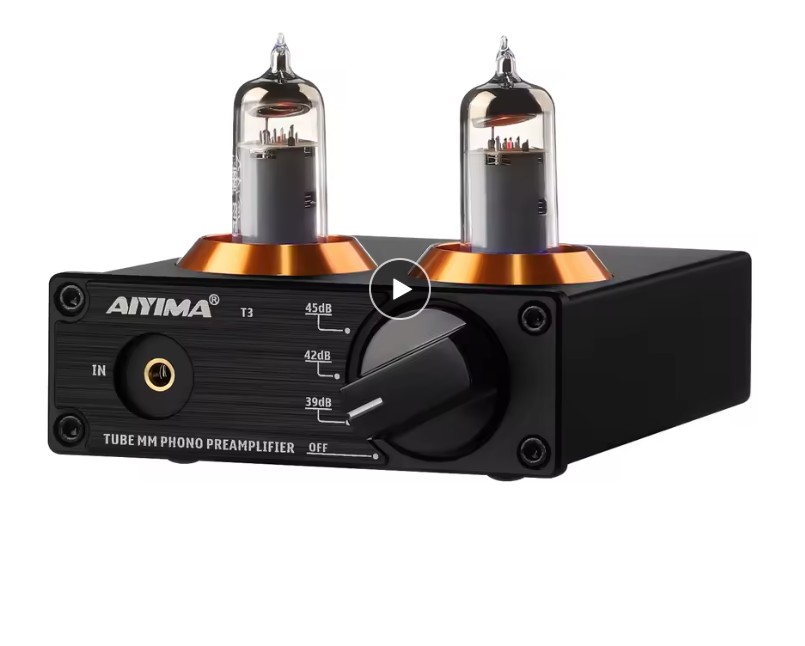
Quick verdict: The AIYIMA T3 Pro is most interesting for vinyl listeners who need one compact phono stage that can accept both moving-magnet and moving-coil cartridges. It is not an integrated amplifier, does not power passive speakers and does not include Bluetooth or a headphone output.
This AIYIMA T3 Pro review is an independent, research-based assessment of the product’s published specifications, system role and practical buying considerations. It is not presented as a laboratory measurement or a claim of hands-on listening.
What Is the AIYIMA T3 Pro?
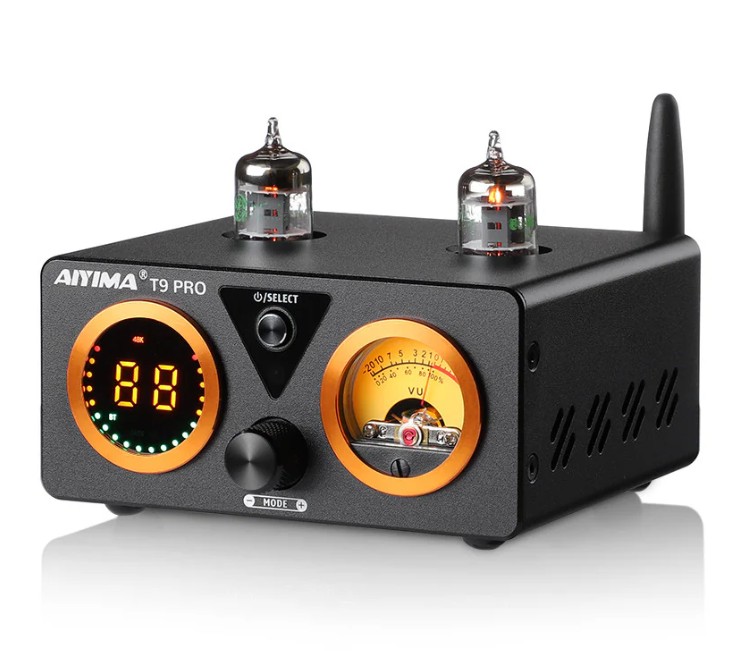
The T3 Pro occupies a specific role in an audio system: it raises the very small signal from a turntable cartridge to line level so that an amplifier, powered speaker or separate preamplifier can use it. That makes it fundamentally different from products such as the AIYIMA T9 or Fosi MC331, which can drive passive speakers directly.
Its headline advantage is support for both MM and MC cartridge types. Many inexpensive phono stages support only MM cartridges, so the ability to select between the two formats gives the T3 Pro more flexibility for users who expect to change cartridges later.
AIYIMA also lists socketed NE5532-family operational amplifiers, allowing compatible op-amp replacement. That feature appeals to hobbyists, although the largest audible differences in a vinyl system will normally come from correct cartridge loading, gain, grounding, record condition and speaker placement rather than from changing a single chip.
Key Specifications
| Product type | MM/MC phono preamplifier |
|---|---|
| Input | Selectable moving-magnet or moving-coil phono |
| Output use | Active speakers or a separate amplifier |
| Chipset | NE5532 + JAR2608, according to AIYIMA |
| Replaceable op-amps | OPA2604, OPA2134, LM4562, JRC5532 and compatible options listed by the manufacturer |
| Frequency response | RIAA characteristic, published tolerance ±3 dB |
| THD | 0.02% published |
| SNR | ≥76 dB published |
| Maximum output amplitude | 450 mV published |
| Power supply | AC 12 V / 1.5 A |
| Dimensions | 120 × 104 × 32 mm |
| Net weight | 425 g |
Specification note: Published power, noise and distortion figures are manufacturer data. They may use different test conditions from independent laboratory measurements and should be compared cautiously.
Design and Build
The low-profile enclosure is small enough for a desktop or a shelf beside a turntable. Because phono-level signals are extremely small, placement and cable routing matter. Keep the T3 Pro and its signal cables away from large power transformers, switching adapters and mains cables. Use the turntable ground connection when the turntable provides one, and avoid unnecessarily long RCA cables.
Inputs, Outputs and System Compatibility
The T3 Pro should sit between a turntable and a line-level input. Connect the turntable to the selected MM or MC input mode, connect the T3 Pro output to an AUX, CD or other line input, and never connect its output to another phono input. Doing so would apply phono equalization twice and can create severe distortion. The unit has no USB, optical input, Bluetooth receiver, headphone jack or speaker terminals.
Affiliate disclosure: TubeDecoded may earn a commission from qualifying purchases made through links in this article. This does not increase the price you pay or determine our conclusions.
How Important Is the Tube Stage?
Despite its visual positioning within the valve-audio market, the practical buying decision should focus on its phono-stage performance, cartridge compatibility and noise behavior. AIYIMA publishes the active chipset and replaceable op-amp options more clearly than it documents the exact contribution of the visible valve section. Buyers should not assume that every part of the gain and RIAA equalization path is performed by tubes.
What Should It Sound Like?
A phono preamp should preserve cartridge balance, apply the RIAA curve accurately and add as little hum and hiss as possible. The published ±3 dB RIAA tolerance and ≥76 dB signal-to-noise figure are adequate for an affordable multifunction phono stage, but they are not unusually ambitious compared with specialist low-noise designs. MC cartridges produce much smaller signals than MM cartridges, so system noise, grounding and gain matching become especially important.
AIYIMA T3 Pro Pros and Cons
Advantages
- Supports both MM and MC cartridges
- Compact and straightforward system role
- Replaceable op-amps for experienced hobbyists
- Officially specified power supply and enclosure dimensions
- Can feed active speakers or a separate amplifier
Limitations
- Cannot drive passive speakers or headphones
- No Bluetooth, USB or other digital input
- Published RIAA tolerance is relatively broad
- MC performance depends heavily on cartridge output and system noise
- Manufacturer specifications use some unclear terminology
Recommended Setup
- Confirm whether the cartridge is MM or MC before powering the system.
- Place the T3 Pro away from power transformers and Wi-Fi routers.
- Connect the turntable ground wire when available.
- Feed the output into a normal line-level input, never another phono input.
- Begin with the downstream amplifier volume low and increase it gradually.
- If hum appears, test grounding and cable placement before replacing tubes or op-amps.
Who Should Buy It?
The T3 Pro is suited to a vinyl listener who wants inexpensive MM/MC flexibility and already owns an amplifier, receiver or powered speakers. It is less appropriate for someone seeking a complete one-box amplifier, a digital hub or a dedicated high-gain MC stage for an unusually low-output cartridge.
Alternatives to Consider
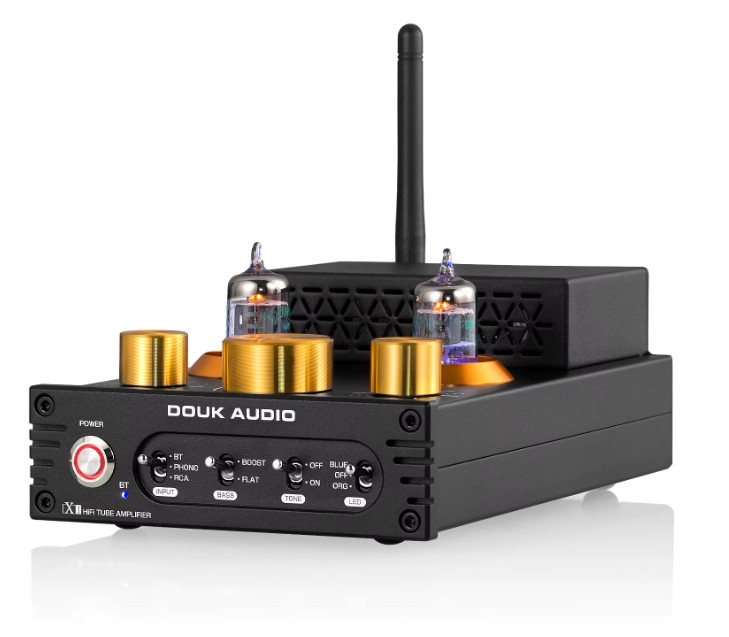
For an MM-only turntable and a headphone listening station, the Fosi Audio Box X4 adds a headphone output and tone controls. For passive speakers and an integrated phono input, the Douk Audio X1 is more convenient because it combines phono processing with a speaker amplifier. Specialist vinyl systems may justify a quieter, cartridge-specific phono stage.
Frequently Asked Questions
Does the AIYIMA T3 Pro power passive speakers?
No. It is a phono preamplifier and must feed an active speaker, integrated amplifier, receiver or separate power-amplifier system.
Can it be connected to the phono input of an amplifier?
No. Connect it to AUX, CD or another line-level input. Using a second phono input applies excessive gain and equalization.
Does it work with both MM and MC cartridges?
The official specification lists selectable MM and MC phono operation. Confirm the cartridge output and the correct mode before use.
Is op-amp rolling necessary?
No. It is an optional hobbyist feature, not a required upgrade. Correct setup and grounding should be addressed first.
Is this a full tube phono stage?
The manufacturer lists semiconductor gain components as well as valve styling. It is better described by its function and published circuit components than assumed to be an all-tube design.
Final Verdict
TubeDecoded conclusion: The AIYIMA T3 Pro offers unusual MM/MC flexibility in a compact and affordable format. Its strongest argument is convenience, not purist all-tube construction. It makes sense when the buyer understands that it is a phono stage only and is prepared to spend time on grounding and cartridge matching.
Official Product Information
Specifications and current model information were checked against the official AIYIMA T3 Pro product page. Product revisions, included accessories and availability can change, so verify the seller listing before ordering.